
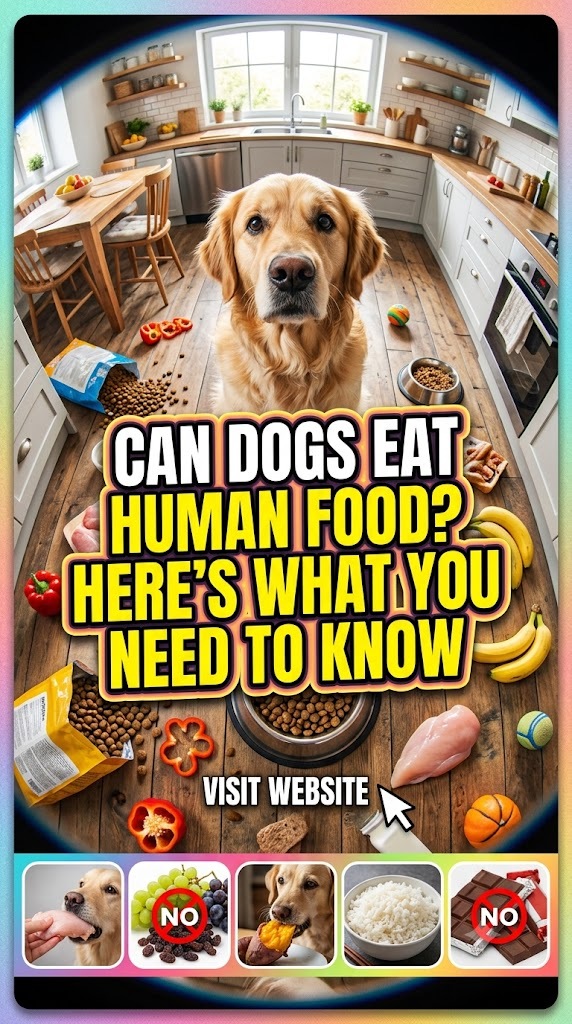

The Ultimate Guide to Human Foods for Dogs: Safe Snacks, Superfoods, and Hidden Toxins
As dog owners, we have all experienced “the look.” You are sitting on the sofa, enjoying a snack, and you feel two warm, soulful eyes boring into your soul. Your dog isn’t just watching you; they are performing a high-level psychological operation designed to guilt-trip you into sharing your food.
But while sharing is caring, it can also be dangerous. The canine digestive system is vastly different from ours. What constitutes a healthy, vitamin-rich snack for a human can be a life-threatening toxin for a dog. To navigate the complex world of canine nutrition, you need more than just intuition; you need a comprehensive roadmap.
This guide explores the vast landscape of human foods, categorizing them into safe delights, occasional treats, and strictly forbidden toxins. Whether you are looking to supplement your dog’s diet with fresh whole foods or just want to know if that dropped piece of popcorn is a problem, this is your definitive resource.
The Benefits of Adding Human Food to Your Dog’s Diet
Before we dive into the specific lists, it is important to understand why you might want to share your food in the first place. High-quality commercial dog food is formulated to be “complete and balanced,” but it is often highly processed.
Adding fresh, whole human foods can:
- Boost Antioxidants: Fresh fruits and berries provide cellular protection that kibble often lacks.
- Improve Digestion: Foods like pumpkin and plain yogurt can settle upset stomachs and improve gut biome.
- Increase Hydration: Water-dense vegetables like cucumbers and watermelon help keep dogs hydrated, especially in summer.
- Mental Stimulation: Different textures and flavors provide sensory enrichment for your pet.
However, the “10% Rule” must always apply: treats and human food should never exceed 10% of your dog’s daily caloric intake.
The Green Light: Human Foods Your Dog Can Safely Eat
These foods are generally safe and often provide significant nutritional benefits. However, always introduce new foods slowly to watch for allergic reactions or digestive upset.
1. The Vegetable Kingdom
Vegetables are excellent low-calorie treats, perfect for dogs watching their weight.
- Carrots: Often called “the perfect dog treat,” carrots are rich in Vitamin A and beta-carotene. Crunching on raw carrots can also help remove plaque from your dog’s teeth.
- Green Beans: Whether steamed, boiled, or raw, green beans are full of iron and vitamins. Many veterinarians recommend “The Green Bean Diet” for overweight dogs—replacing a small portion of kibble with green beans to help them feel full with fewer calories.
- Broccoli: Safe in small amounts, broccoli contains Vitamin C and fiber. However, the florets contain isothiocyanates, which can cause gastric irritation in some dogs if given in large quantities.
- Sweet Potatoes: A powerhouse of Vitamin A, fiber, and B6. They should always be cooked (steamed or baked) and never fed raw, as raw sweet potatoes are hard to digest.
- Cucumber: Perfect for overweight dogs, cucumbers have almost no carbohydrates or fats and are extremely hydrating.
- Peas: Fresh or frozen peas are a great source of protein and fiber. Avoid canned peas, as they are often loaded with sodium.
2. The Fruit Stand
Fruits can be a wonderful source of vitamins, but they are high in sugar, so moderation is key.
- Apples: A great source of Vitamins A and C. Crucial: Never let your dog eat the core or seeds. Apple seeds contain cyanide, which is toxic over time.
- Bananas: High in potassium, vitamins, and magnesium. Because of their high sugar content, they should be an occasional treat rather than a daily staple.
- Blueberries: A legitimate superfood for dogs. They are packed with antioxidants, which help prevent cell damage and improve cognitive function in aging dogs.
- Watermelon: The ultimate summer treat. It is 92% water, making it great for hydration. Warning: Remove all seeds and the rind, as the rind can cause gastrointestinal blockage.
- Strawberries: These contain an enzyme that can actually help whiten your dog’s teeth, alongside plenty of fiber and Vitamin C.
3. Proteins and Dairy
Dogs are primarily meat-eaters, but not all meat preparation is created equal.
- Chicken: Plain, boiled chicken is the gold standard for dogs with upset stomachs. It is a lean protein that provides plenty of energy. Never feed cooked chicken bones, as they splinter and can puncture the digestive tract.
- Turkey: Like chicken, plain turkey is safe. Ensure you remove the skin (which is too fatty) and any seasoning.
- Eggs: A cooked egg is a fantastic source of riboflavin and selenium. Raw egg whites can cause biotin deficiency over a long period, so stick to scrambled or hard-boiled.
- Salmon: Rich in omega-3 fatty acids, salmon supports a shiny coat and a healthy immune system. Always ensure it is fully cooked to kill parasites.
- Plain Greek Yogurt: High in calcium and protein. The probiotics in yogurt can be great for a dog’s digestive system, but ensure it contains zero xylitol and no added sugars.
The Yellow Light: Foods to Feed With Caution
Some foods aren’t necessarily “toxic,” but they can cause issues if fed in the wrong way or in too high a quantity.
- Peanut Butter: While most dogs love it, you must check the label for Xylitol. This artificial sweetener is deadly to dogs. Also, peanut butter is very calorie-dense and can lead to obesity.
- Dairy (Milk and Cheese): Many dogs are actually lactose intolerant. While a small cube of cheddar is a great training reward, large amounts of cheese or milk can cause diarrhea and gas.
- Rice: White rice is easy to digest and great for a dog with a runny tummy. However, it has a high glycemic index and can cause blood sugar spikes in diabetic dogs.
- Oatmeal: A great source of fiber for dogs with bowel irregularities. It must be served plain—no sugar, no raisins, and no artificial sweeteners.
- Potatoes: Must be fully cooked and plain. Raw potatoes contain solanine, which is toxic to dogs.
The Red Light: Toxic Foods Your Dog Should NEVER Eat
This is the most critical section of this guide. Some of these items might surprise you, but they can cause everything from mild vomiting to sudden organ failure.
1. Xylitol (Birch Sugar)
This is perhaps the most dangerous item on the list because it is “hidden.” It is an artificial sweetener found in sugar-free gum, some peanut butters, toothpastes, and “light” baked goods. In dogs, it causes a massive insulin surge followed by a life-threatening drop in blood sugar and, eventually, liver failure.
2. Grapes and Raisins
The exact toxin in grapes is still being debated by scientists (recent studies point toward tartaric acid), but the result is clear: even a small amount can cause acute kidney failure in dogs. There is no “safe” amount of grapes or raisins.
3. Chocolate, Coffee, and Caffeine
All of these contain methylxanthines (specifically theobromine in chocolate). These chemicals stimulate the dog’s nervous and cardiovascular systems. The darker the chocolate, the more dangerous it is. Symptoms include panting, excessive thirst, tremors, and seizures.
4. Onions, Garlic, and Chives
These members of the Allium family can cause oxidative damage to a dog’s red blood cells, leading to anemia. While a tiny bit of garlic powder in a treat might not kill a large dog, concentrated amounts (like an onion sautéed in butter) are highly dangerous.
5. Macadamia Nuts
These are among the most poisonous foods for dogs. Eating even a few can lead to “Macadamia Nut Toxicosis,” characterized by weakness in the back legs, vomiting, tremors, and hypothermia.
6. Alcohol
It sounds obvious, but even small amounts of alcohol—found in drinks, syrups, or raw bread dough (which ferments in the stomach)—can cause ethanol poisoning in dogs. This leads to central nervous system depression and respiratory failure.
7. Avocado
Avocados contain a toxin called persin. While dogs are more resistant to persin than birds or horses, the main danger is the pit, which is a significant choking hazard and can cause a fatal intestinal blockage.
8. Cooked Bones and Fat Trimmings
Cooked bones become brittle and splinter, causing internal lacerations. Fat trimmings, while delicious to a dog, can trigger pancreatitis, a painful and potentially fatal inflammation of the pancreas.
How to Safely Introduce Human Food
If you decide to start sharing your kitchen bounty with your dog, follow these four rules to ensure their safety:
- The “Plain” Rule: No salt, no pepper, no butter, no oil, and absolutely no onions or garlic. Dogs’ bodies are not designed to process the seasonings we use to make food palatable.
- The “Slow” Rule: Start with a piece the size of a fingernail. Wait 24 hours. If their stool remains firm and they show no signs of lethargy or itching, the food is likely safe for them.
- The “Size” Rule: Always cut food into manageable, bite-sized pieces. Dogs often “inhale” their treats rather than chewing them, which makes large chunks of apple or carrot a choking hazard.
- The “Check the Pit” Rule: For any stone fruit (peaches, plums, cherries), the pit is the enemy. Not only is it a choking hazard, but it also contains cyanide.
The Nutritional Breakdown: Why Certain Foods Help
Understanding why a food is good for your dog helps you make better choices at the grocery store.
For Joint Health
If you have an older dog or a breed prone to hip dysplasia (like German Shepherds or Labs), focus on foods rich in Omega-3s and Glucosamine.
- Safe Option: De-boned sardines packed in water. They are small, low in mercury, and packed with joint-supporting oils.
For a Shiny Coat
A dull coat often points to a lack of healthy fats.
- Safe Option: A teaspoon of coconut oil or a few slices of cooked salmon can transform a dry, itchy coat into a glossy one within weeks.
For Digestive Issues
If your dog has “garbage gut” or frequent diarrhea.
- Safe Option: 100% Pure Canned Pumpkin (NOT pumpkin pie filling). The soluble fiber in pumpkin absorbs excess water in the GI tract, firming up stools, while also helping with constipation by adding bulk.
Common Myths About Dogs and Human Food
Myth #1: Dogs can eat raw meat because their ancestors did.
- The Reality: While wolves eat raw meat, our domestic dogs have evolved alongside humans for thousands of years. Raw meat carries risks of Salmonella and E. coli, which can not only make your dog sick but can be passed to you through their saliva or feces.
Myth #2: Rawhide is a safe “food” treat.
- The Reality: Rawhide is a byproduct of the leather industry and is often processed with harsh chemicals. It is notoriously difficult to digest and is a leading cause of intestinal blockages. Stick to frozen carrots or specialized dental chews instead.
Myth #3: If a dog likes it, it must be safe.
- The Reality: Dogs will happily eat anti-freeze, chocolate, and rotting trash. Their palate is not a guide to their safety. You must be the gatekeeper.
Summary Table: Quick Reference Guide
| Food Category | YES (Safe) | NO (Toxic) | MODERATION (Caution) |
|---|---|---|---|
| Vegetables | Carrots, Green Beans, Cucumbers | Onions, Garlic, Raw Potatoes | Broccoli, Spinach |
| Fruits | Blueberries, Apples (no seeds), Watermelon | Grapes, Raisins, Cherries | Bananas, Strawberries |
| Proteins | Cooked Chicken, Eggs, Salmon | Cooked Bones, Bacon | Cheese, Peanut Butter |
| Grains/Pantry | Plain Rice, Oatmeal | Xylitol, Macadamia Nuts | Bread, Corn |
Conclusion: Being a Responsible “Treat-Giver”
Sharing your life with a dog is one of the greatest joys a human can experience. Sharing a snack is a natural extension of that bond. However, the responsibility lies entirely with us to ensure that the “treat” doesn’t become a “threat.”
By sticking to whole, unseasoned vegetables, lean proteins, and antioxidant-rich fruits, you can enhance your dog’s health and happiness. Always keep the number for your local emergency vet and the Pet Poison Helpline saved in your phone.
When in doubt, remember the golden rule of canine nutrition: If you aren’t 100% sure it’s safe, don’t put it in the bowl. Your dog trusts you with their life; make sure every bite you give them is worthy of that trust.